
The University of the Cordilleras (UC) continues to demonstrate its strong commitment to environmental stewardship through an integrated water management system that promotes responsible water conservation, water recycling, wastewater treatment, and pollution prevention promoting conscious water usage on campus. This initiative directly supports the United Nations Sustainable Development Goal (SDG) 6 – Clean Water and Sanitation, particularly Indicator 6.3.1 (Wastewater Treatment) and Indicator 6.3.2 (Preventing Water System Pollution).
UC’s comprehensive system combines rainwater harvesting and treated wastewater reuse to minimize water waste and optimize resource efficiency. Rainwater collected from building roofs and gutters undergoes filtration and treatment before being stored in a non-potable tank. This treated rainwater is then used for toilet flushing, landscape irrigation, and general cleaning, reducing the demand for freshwater and supporting sustainable water use practices.
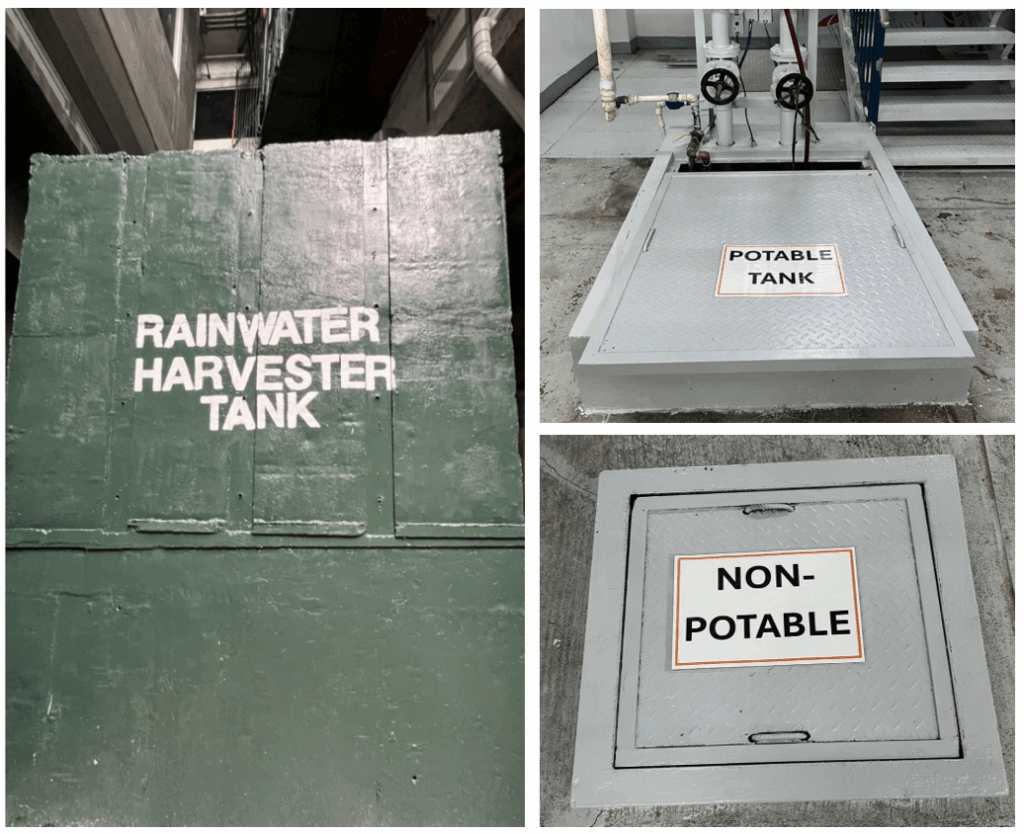
Rainwater Harvester Tank (Capacity: 7,396.81 gallons), Potable Tank (Capacity: 50,000 gallons), Non-potable Tank (Capacity: 50,000 gallons)
The Water Conservation Program utilizes a 7,396.81-gallon rainwater harvester and two 50,000-gallon storage tanks, one for potable and one for non-potable water. This system allows UC to reuse treated wastewater for non-drinking purposes such as toilet flushing, cleaning, and plant watering. By optimizing water quality according to its purpose, the university effectively minimizes waste and ensures that freshwater is conserved for essential uses.
Complementing this effort is UC’s Water Recycling Program, which integrates Reverse Osmosis (RO) technology at the final stage of its Sewage Treatment Plant (STP). This system purifies treated wastewater for reuse, allowing the university to meet over 55.3% of its total annual water needs (33,410 cubic meters in 2024) through recycled water. This achievement underscores UC’s leadership in sustainable resource management, reducing its dependency on city water supplies while lowering operational costs and environmental impact.
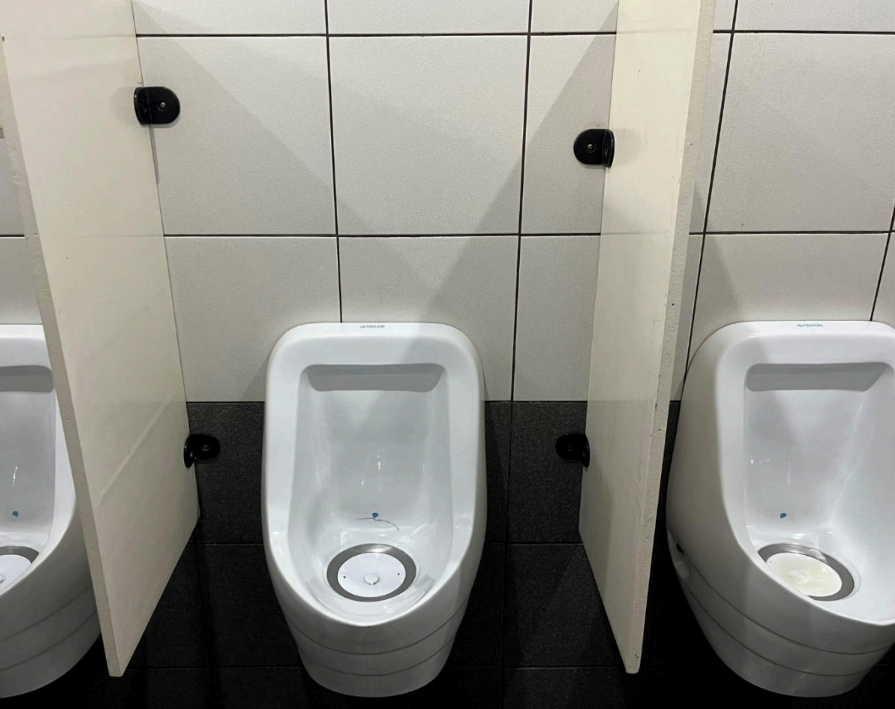
The university implements water-efficient technologies, replacing more than half of its traditional urinals with waterless models (54.08% – 53/98 water-efficient urinals). This means that more than half of the university’s urinals are now waterless, contributing to substantial water savings each day. The transition to these eco-friendly fixtures not only reduces the volume of water used for sanitation but also minimizes the environmental impact of daily operations.
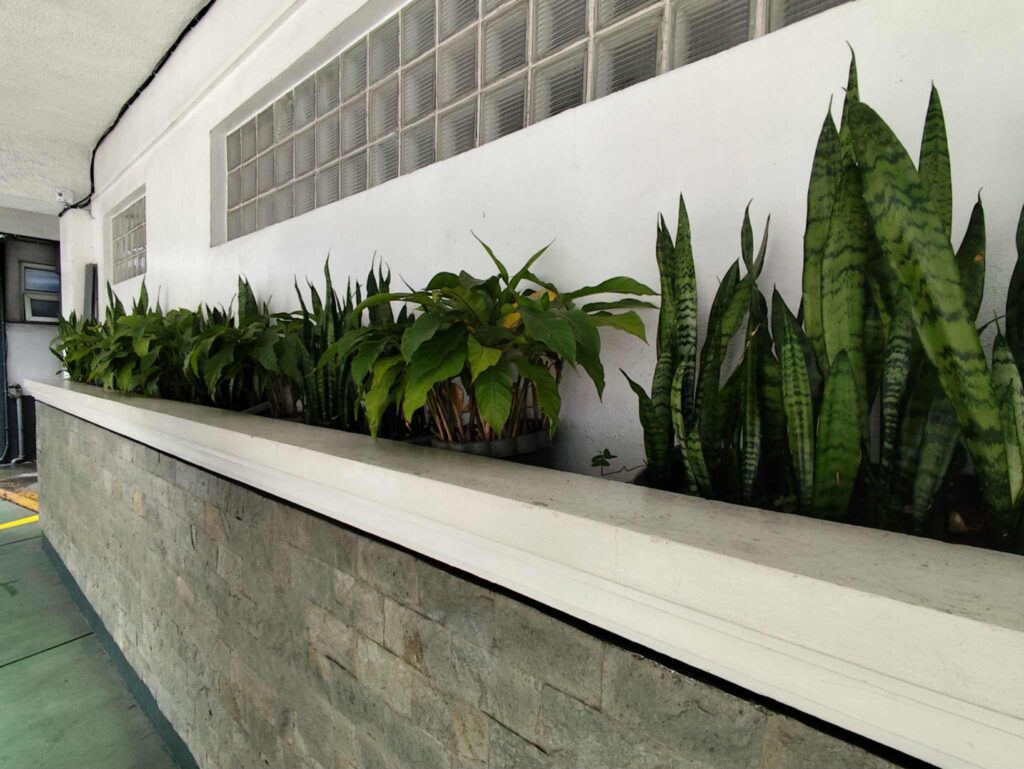
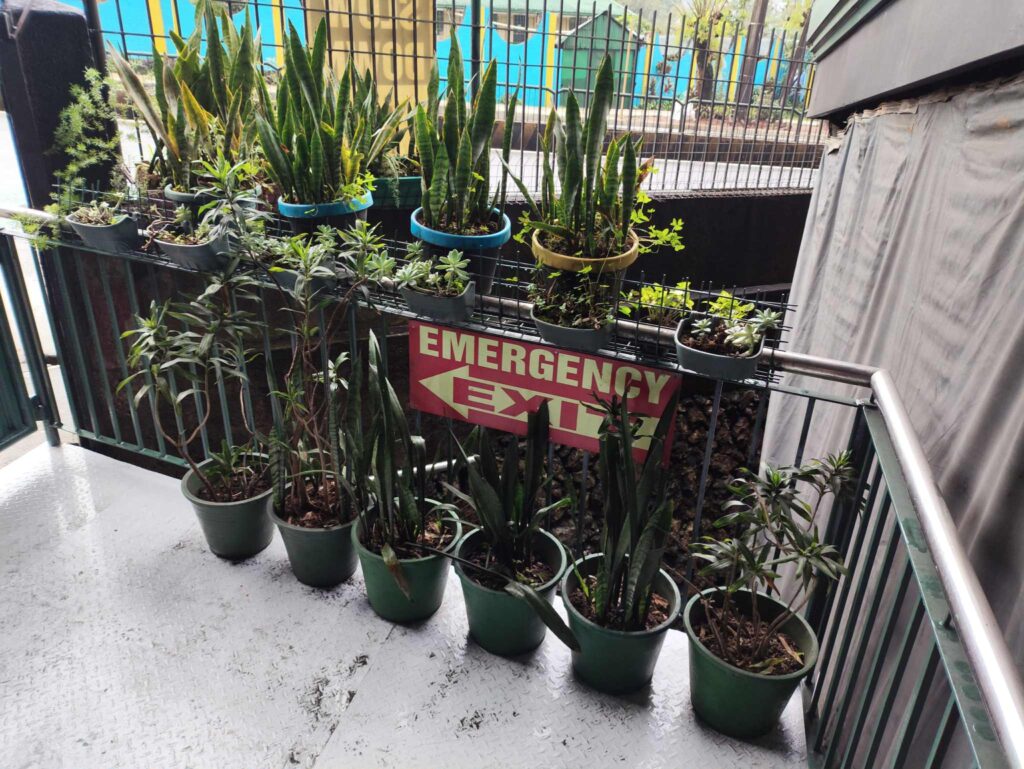
The University also integrates water-conscious planting in its campus
landscaping as part of its broader sustainability and environmental
management initiatives. This approach aims to reduce water
consumption, maintain ecological balance, and enhance the resilience of green spaces during dry periods.
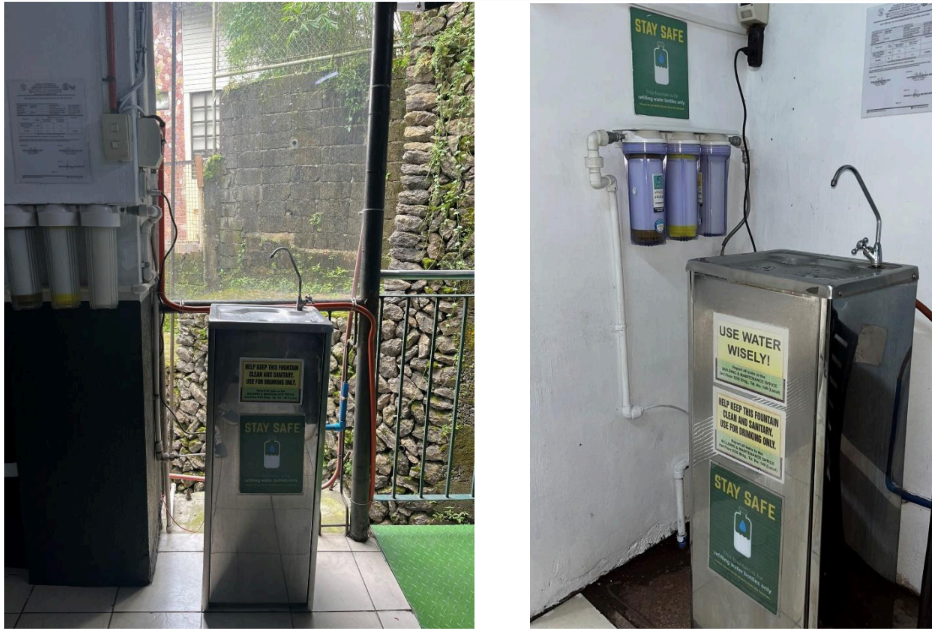
In parallel, UC upholds high standards for treated water consumption by maintaining nine drinking fountains across its campuses and
conducting quarterly microbiological water tests to ensure safety and quality. These measures not only promote responsible water use but also reduce plastic waste by minimizing bottled water consumption.
In addition, wastewater generated from campus facilities is treated in compliance with environmental standards to ensure it is safe for reuse. The treated wastewater is repurposed for non-potable applications, effectively reducing water discharge and preventing contamination of nearby water systems. Meanwhile, potable water intended for drinking and other essential uses is stored separately in a dedicated potable tank, ensuring the highest standards of safety and quality for human consumption.
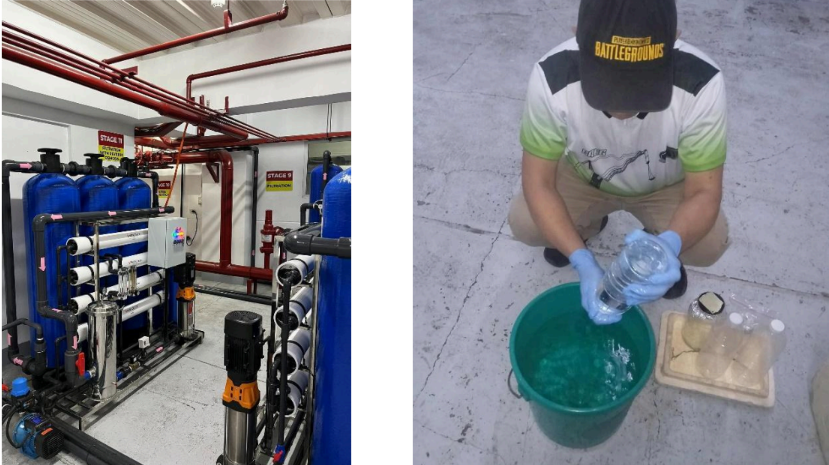
Water quality sampling and monitoring at Sewage Treatment Plant
UC conducts quarterly water quality sampling and effluent monitoring at the STP. These regular tests verify that treated wastewater meets the parameters set by the Department of Environment and Natural Resources (DENR) Administrative Order No. 2016-08, also known as the Water Quality Guidelines and General Effluent Standards of 2016. Through this rigorous monitoring, the university ensures that no harmful contaminants are discharged into surrounding water systems, protecting both the campus and the broader Baguio City ecosystem.
The consistent operation of the STP and adherence to national effluent standards reflect UC’s strong commitment to sustainable wastewater management and pollution prevention. This initiative not only mitigates potential environmental damage but also reduces the university’s ecological footprint, showcasing how institutional policies can align with broader efforts to preserve natural water resources and maintain a clean, safe learning environment.
These water pollution control efforts directly support the United Nations Sustainable Development Goals (SDGs) particularly SDG 14 (Life Below Water) and SDG 15 (Life on Land). By ensuring that treated wastewater meets strict quality standards, the university helps prevent pollution that could harm aquatic ecosystems and terrestrial biodiversity. Additionally, these practices contribute to SDG 17 (Partnerships for the Goals) by promoting collaboration with government agencies such as the DENR in monitoring and maintaining water quality.
Through these initiatives, the University of the Cordilleras exemplifies how higher education institutions can lead in promoting sustainable development, environmental responsibility, and intersectoral cooperation.